Evolution of Batting: How Modern Cricket and IPL 2026 Shifted Strike Rates
Contents
The Era of Acceleration: Redefining Batting Metrics
Over the past three decades, cricket has undergone a seismic shift in philosophy, best captured by the evolution of the batting strike rate. No longer just a secondary metric, the strike rate—defined as the number of runs scored per 100 balls faced—has emerged as the definitive barometer of a player’s and a team’s intent in modern cricket. From the patient, defensive mindsets of the 1990s to the explosive, high-octane power-hitting required in the 2026 IPL season, the game has changed fundamentally.
From Caution to Calculated Aggression
In the 1980s, an average strike rate hovered around 66. By the 2010s, that figure surged above 80, signaling a move away from wicket preservation as the primary goal. Today, teams prioritize acceleration. This trend is not confined to limited-overs cricket; it has permeated the longest format of the game as well. Test cricket, once defined by drawn matches and defensive attrition, is now characterized by result-oriented play. Batters are increasingly comfortable taking calculated risks, pushing strike rates into the 50s, and forcing the pace to ensure that matches conclude with a definitive outcome.
ODI Cricket: The Efficiency Revolution
One Day International cricket has similarly transitioned into a format governed by scoring efficiency. Two decades ago, strike rates in the low 70s were considered acceptable. In the current landscape, sides frequently operate above 90. The transformation is most visible during the middle overs. Historically, teams would hoard wickets for a late-innings surge; today, modern lineups maintain a relentless pressure on the opposition from the first ball to the last, effectively eliminating ‘dead’ periods in the match.
The IPL Effect and the T20 Explosion
The rise of T20 cricket, anchored by the Indian Premier League, has been the primary catalyst for this batting revolution. In the 2026 IPL environment, a strike rate above 150 is the benchmark for success. Players have introduced 360-degree stroke play and innovative shots that were previously unimaginable. The tactical focus now rests on powerplay dominance and death-over efficiency, concepts that were once secondary but are now fundamental to team selection and chase strategies.
The Analytical Shift in Cricket
Cricket is no longer a game left entirely to instinct. Data analytics now drive every decision on the field. Teams utilize complex studies of scoring zones, bowler matchups, and strike rate patterns to gain a competitive edge. This analytical approach has extended to the fans as well. Modern spectators are deeply involved, tracking real-time statistics and venue records to understand the shifting momentum of a game as it happens. This appetite for data has seen digital engagement platforms become essential companions to the live viewing experience.
Catalysts of Change: Talent and Technology
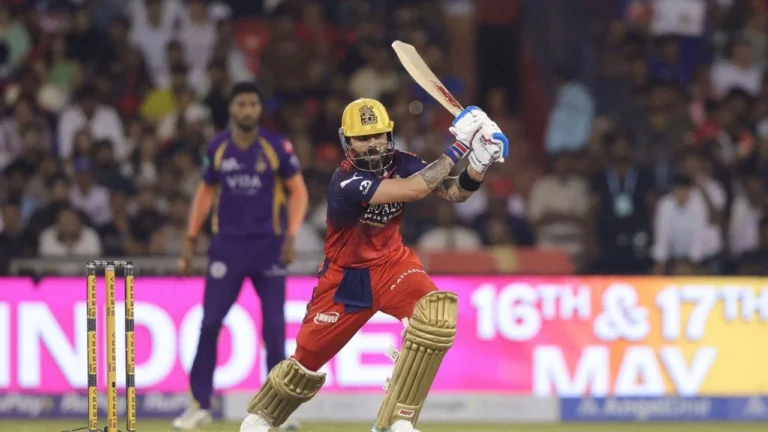
Several factors have enabled this shift. While pioneers like Viv Richards displayed aggressive intent decades ago, and players like AB de Villiers pushed the boundaries of 360-degree batting, today’s stars like Virat Kohli and Jos Buttler have mastered the balance of consistency and explosive power. Furthermore, advancements in equipment—such as lightweight bats and improved protective gear—allow players to attack with greater confidence. The implementation of the Decision Review System (DRS) has also played a role, removing the fear of unfair dismissals and encouraging more assertive stroke play.
Conclusion
The evolution of strike rates reflects the broader transformation of cricket into a sport that successfully bridges the gap between traditional competitive depth and modern entertainment demands. Whether it is the tactical nuances of Test matches or the high-speed thrill of IPL 2026, the sport continues to adapt. Strike rates serve as the ultimate representation of intent, momentum, and the changing philosophy of the game, ensuring that cricket remains more engaging and dynamic than ever before.