India’s Opening Pair Options for 2027 World Cup if Rohit Sharma is Unavailable
Contents
- 1 The Road to 2027: Planning India’s Post-Rohit Sharma Opening Blueprint
- 2 1. Ishan Kishan and Shubman Gill: The Dynamic Left-Right Combination
- 3 2. Shubman Gill and Ruturaj Gaikwad: Technical Grace and Innings Construction
- 4 3. Shubman Gill and Yashasvi Jaiswal: The Fearless Future of Indian Cricket
- 5 Conclusion: A Welcomed Selection Headache
The Road to 2027: Planning India’s Post-Rohit Sharma Opening Blueprint
India’s strategic preparation for the 2027 World Cup is already underway, and the most critical talking point currently dominating the cricketing landscape is the future of the opening combination. While the legendary Rohit Sharma remains a vital cog in the wheel and has been selected for the upcoming One Day International (ODI) series against Afghanistan, his long-term availability remains a subject of intense discussion. At 39 years of age, managing physical workload and maintaining peak fitness for a grueling global tournament like the World Cup poses a massive challenge. Recognizing this reality, the national selectors and team management are proactively exploring viable backup options to future-proof the top order.
With only a limited number of ODI fixtures scheduled before the mega event in 2027, every single international match and domestic tournament will serve as a crucial testing ground. Should Rohit Sharma be unavailable to lead the charge at the top of the order, India has several highly talented and dynamically distinct opening combinations ready to step up. Here is a detailed analytical breakdown of the three primary opening partnerships India could utilize in the 2027 World Cup campaign.
1. Ishan Kishan and Shubman Gill: The Dynamic Left-Right Combination
One of the most tactically balanced and explosive opening partnerships available to India is the pairing of Ishan Kishan and Shubman Gill. If Rohit Sharma is out of the 2027 World Cup plans, this duo presents a naturally complementary left-right batting combination that can easily disrupt the rhythm of opposition bowling attacks from the very first over. Kishan and Gill share excellent on-field chemistry and have already demonstrated their efficiency when batting together in international colors.
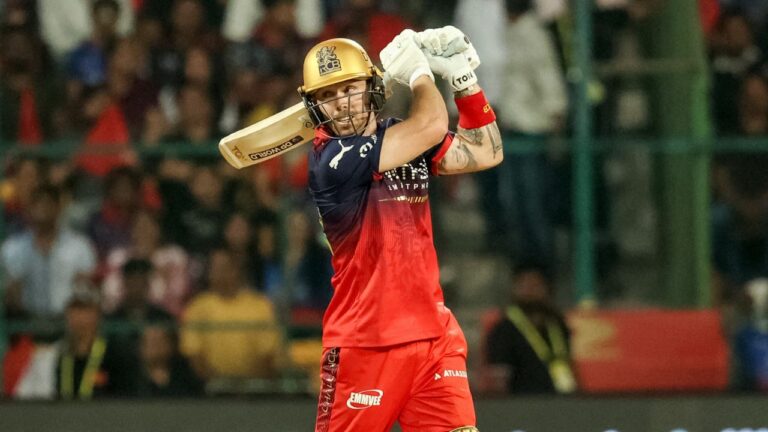
Ishan Kishan has made a resounding statement to reclaim his place in India’s ODI blueprint after being away from the 50-over format since late 2023. His recent performances across formats highlight a batsman in peak physical and mental form. During the 2026 Indian Premier League (IPL) season, the dynamic wicketkeeper-batter amassed 490 runs in 13 innings, showcasing an incredibly aggressive approach in the powerplay. He carried this formidable touch into the T20 World Cup, finishing as the tournament’s fourth-highest run-scorer with 317 runs in nine matches at an astonishing strike rate of 193.29.
Kishan’s dominance has not been limited to international and franchise cricket; he has been equally prolific in the domestic circuit. In the Syed Mushtaq Ali Trophy (SMAT) 2025, he plundered 517 runs in just 10 innings with a strike rate hovering near the 200 mark. Furthermore, in the Vijay Hazare Trophy (VHT) 2025-26, he showcased his destructive capabilities by scoring 155 runs in three matches at an eye-catching strike rate of over 231. His historical ODI track record is equally robust, with 933 runs in 27 matches at an impressive average of 42.40, including one double century and seven half-centuries.
Partnering Kishan with Shubman Gill—who has firmly established himself as the anchor and long-term pillar of the Indian ODI setup—creates the perfect blend of aggression and stability. The duo has already tasted significant success together on the international stage. Their memorable 143-run opening stand against the West Indies in 2023 remains the highest opening partnership by an Indian pair in the Caribbean. In total, they have accumulated 592 runs in 13 innings together, proving that they possess the chemistry required to succeed at the highest level.
2. Shubman Gill and Ruturaj Gaikwad: Technical Grace and Innings Construction
Another highly reliable and technically sound opening option for India is the combination of Shubman Gill and Ruturaj Gaikwad. Although Gaikwad was not included in the squad for the upcoming ODI series against Afghanistan, he remains a key figure in the selectors’ long-term white-ball vision. Gaikwad’s elegant batting style, coupled with his supreme ability to construct long innings under pressure, makes him an ideal candidate for 50-over cricket.
Unlike ultra-aggressive modern batters who rely heavily on raw power, Gaikwad relies on pristine timing, classical placement, and a thorough understanding of field placements. This orthodox approach allows him to anchor the innings and rotate strike effectively, which is vital during the middle overs of an ODI match. A partnership between Gill and Gaikwad would give India a technically flawless opening pair capable of negotiating high-quality swing and spin alike.
Gaikwad has already shown immense promise in his brief ODI career. In eight international innings, he has scored 228 runs, demonstrating maturity beyond his experience. His standout performance came during a challenging series against South Africa, where he compiled a brilliant, fluent 105 runs off just 83 deliveries. His domestic credentials further validate his readiness; during the Vijay Hazare Trophy 2025-26, Gaikwad was in sensational form, scoring 412 runs in seven innings at a strike rate of 115.04, which included two masterclass centuries. To date, Gill and Gaikwad have opened together in three matches, yielding 169 runs. While the sample size is relatively small, the tactical synergy and calm temperament they display when batting together suggest a highly stable future option.
3. Shubman Gill and Yashasvi Jaiswal: The Fearless Future of Indian Cricket
For a highly progressive, aggressive, and modern approach, the combination of Shubman Gill and Yashasvi Jaiswal stands out as a dream pairing. Both cricketers represent the vanguard of India’s next generation of batting superstars. They are young, completely fearless, and possess elite technical skills that allow them to dominate bowling attacks across all formats of the game. Many cricketing experts believe that a Gill-Jaiswal partnership could dominate world cricket for the next decade.
Although Yashasvi Jaiswal has played only a limited number of ODI matches so far, he has already given fans and selectors a glimpse of his immense potential. In only his third ODI appearance, Jaiswal dismantled a formidable South African bowling attack, smashing a majestic, unbeaten 116 runs off 121 balls. The young left-hander has been in exceptional form across all formats of the game. Despite his omission from the Afghanistan ODI series, his place in India’s long-term tactical planning for the 2027 World Cup remains absolutely secure.
Jaiswal’s explosive, boundary-hitting mindset serves as the perfect foil to Gill’s classical, structured batting style. With Jaiswal putting opposition bowlers on the back foot from ball one and Gill accumulating runs with effortless ease at the other end, this partnership can regularly provide India with explosive starts while maintaining a healthy run rate through the powerplay. The left-right combination also forces opposition captains to constantly alter their line, length, and field settings, giving India a distinct tactical advantage.
Conclusion: A Welcomed Selection Headache
The road to the 2027 World Cup will undoubtedly demand flexibility, resilience, and meticulous planning. While the potential absence of Rohit Sharma would leave a massive void in terms of both leadership and batting output, the emergence of these three high-caliber opening combinations ensures that Indian cricket is in incredibly safe hands. Whether the team management opts for the explosive left-right dynamic of Kishan and Gill, the classical stability of Gill and Gaikwad, or the fearless, modern approach of Gill and Jaiswal, the future of India’s ODI top order looks incredibly bright and versatile.