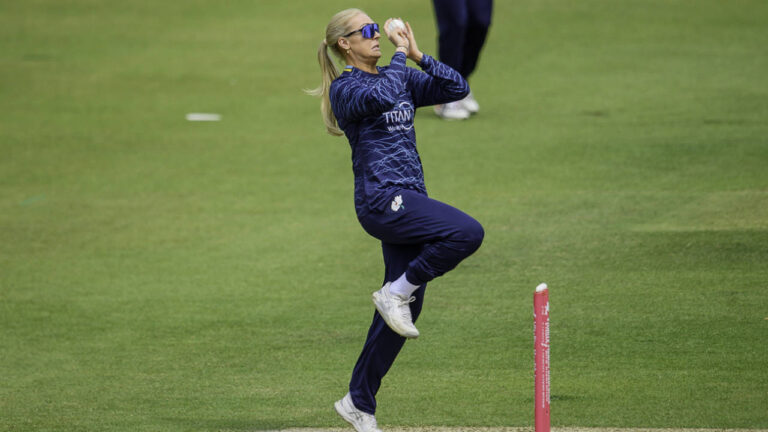
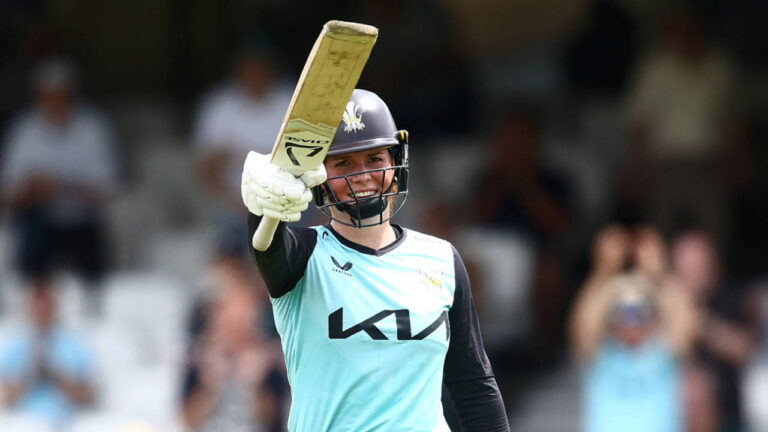
Ollie Robinson’s Dominant Robinson five-for on comeback as New Zealand rolled for 113 at Lord’s
In a compelling display of Test cricket at Lord’s, England secured a crucial 27-run first-innings lead over New Zealand, largely thanks to the exceptional bowling performance of Ollie Robinson. Marking his return to international cricket, Robinson delivered his first five-wicket haul in Test matches since September 2022, dismantling the New Zealand batting lineup and setting a formidable tone for the home side.
New Zealand ultimately folded for 113, in response to England’s first innings total of 140. While the scoreboard might suggest a straightforward dominance, the innings unfolded with moments of dramatic collapse and spirited resistance, particularly from the lower order. The early proceedings of New Zealand’s innings were characterized by a severe struggle against England’s pace attack, with Robinson leading the charge.
Contents
Robinson’s Devastating Spell and Comeback Five-For
Ollie Robinson’s impact was immediate and profound. On the first evening, he initiated a dramatic collapse within New Zealand’s top order, showcasing impeccable line, length, and movement. His spell of 4 for 10 in just six overs was a masterclass in Test match bowling, creating immense pressure and harvesting crucial wickets. The highlight of this initial burst was a remarkable sequence that saw him claim three wickets in just four balls, leaving the New Zealand batsmen reeling and significantly impacting their innings trajectory.
Robinson’s exceptional form continued into the second morning, where he completed his much-anticipated five-for. The milestone arrived with the dismissal of New Zealand’s last man, Matt Henry, who fell victim to Robinson’s precision. This five-wicket haul not only underscored Robinson’s return to peak form but also highlighted his vital importance to the English bowling attack, especially in conditions conducive to swing and seam.
New Zealand’s Tumultuous Innings: Collapse and Resilience
Despite the eventual total of 113, which represented a recovery from a perilous 29 for 6, New Zealand’s innings was a testament to both their struggles and their determination. The top order’s collapse was swift and comprehensive, leaving the team in a deep hole. However, a commendable effort from the middle and lower order ensured they posted a triple-figure score, preventing an even more significant deficit.
Glenn Phillips played a vital counterattacking innings on the first evening, contributing 34 runs that helped stem the tide of wickets. His aggressive approach provided some much-needed impetus and stability amidst the chaos. Carrying this fight into the second morning was Kyle Jamieson, who displayed remarkable resilience and power with an unbeaten 38. Jamieson’s innings was particularly noteworthy for its free-swinging nature, as he aimed to maximize runs with the tail.
Josh Tongue’s Timely Strikes
Complementing Robinson’s efforts was the impressive performance of Josh Tongue, who continued to make an impact in the Test arena. Tongue struck with his very first ball of the second day, uprooting Glenn Phillips’ off stump with a full delivery that sneaked past the outside edge. This crucial wicket broke a burgeoning partnership and once again exposed the New Zealand lower order.
Tongue then continued his wicket-taking form, finding a length ball that jagged in sharply off the seam to dismiss Nathan Smith. Smith became the third batsman in the match to be bowled while shouldering arms, a testament to the movement and deception generated by the English bowlers. These timely strikes ensured that New Zealand could not build substantial partnerships and kept the pressure firmly on their batting lineup, leaving them 82 for 8 and still 58 runs behind England’s total.
Jamieson’s Aggressive Fightback and the Tail-End Scramble
With wickets falling around him, Kyle Jamieson, fresh from his own five-wicket haul in his previous Test outing, adopted an aggressive approach. Recognizing the dwindling opportunities, he chose to counterattack, particularly against the short-ball strategy employed by England’s bowlers. He sensationally swung Tongue’s slower ball back over his head into the pavilion for the first six of the Test match, a clear signal of his intent.
Jamieson further demonstrated his power by hauling Robinson for consecutive leg-side sixes, momentarily disrupting England’s plans. Despite this spirited resistance, the tail-enders struggled to provide significant support. Will O’Rourke contributed 1 run off 17 balls in a 26-run ninth-wicket partnership before he was outwitted by Gus Atkinson, edging a full delivery to slip, despite the field being set for bumpers. The final wicket of Matt Henry, who was batting at No. 11 after experiencing back spasms on the opening day, fell to Robinson, sealing his five-wicket haul and bringing New Zealand’s innings to a close.
New Zealand confirmed that Henry’s back had improved overnight, and his availability to bowl in England’s second innings would be contingent on his level of discomfort during the warm-ups. England’s narrow but significant first-innings lead sets the stage for a captivating continuation of the Test match, with both teams looking to capitalize on early opportunities in their respective innings.