Babar Azam Reflects on Pakistan’s Batting Struggles Against Bangladesh
An Honest Assessment of the Sylhet Collapse
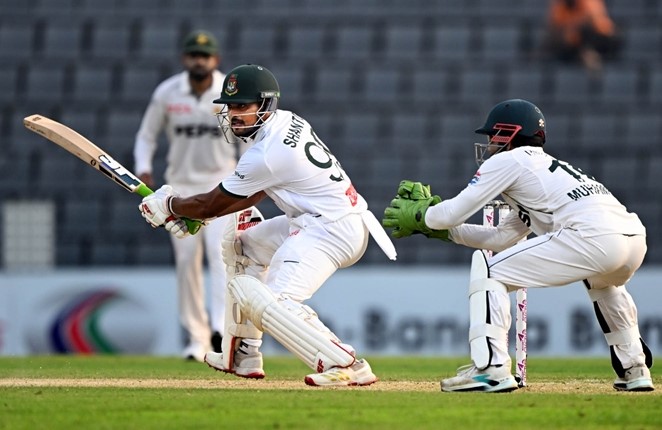
The Test match in Sylhet has proven to be a challenging outing for the Pakistan cricket team, particularly regarding their performance with the bat. After managing to post only 232 runs in response to Bangladesh’s first-innings total of 278, the visitors found themselves trailing by 46 runs. While many analysts were quick to praise the tactical discipline of the Bangladesh bowling attack, former captain Babar Azam offered a more critical perspective on his team’s shortcomings.
It Was Not About the Bowling
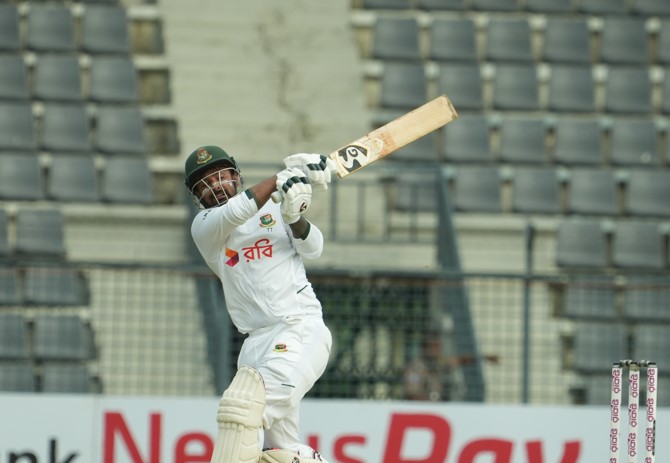
Babar Azam, who stood out as the lone warrior for Pakistan with a gritty knock of 68 runs, was adamant that the visitors’ failure was not a direct result of Bangladesh’s bowling brilliance. While he acknowledged that the opposition maintained a good line and length, he argued that the primary issue rested within Pakistan’s own ranks. Addressing the media after the second day of play, Babar stated, “No, I don’t think our batting failed simply because Bangladesh bowled very well. Their bowling was good, but we gave away too many soft wickets.”
A Fair Surface for Batting
One of the recurring themes in Test cricket is the complexity of the pitch conditions. However, Babar dismissed any suggestion that the surface in Sylhet was unplayable or difficult to navigate. Instead, he maintained that the pitch remained conducive to stroke play throughout the day. “Honestly, the wicket is very good. The ball is coming nicely onto the bat,” he explained. For Babar, the struggle was not about the conditions, but about the failure to capitalize on a deck that offered decent value for shots.
The Importance of Sustained Partnerships
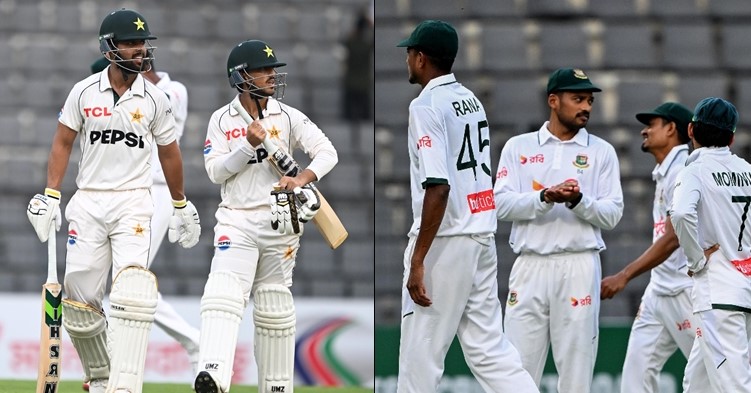
The core of Babar’s critique centered on the lack of longevity in Pakistan’s partnerships. Throughout the innings, the batting order showed flashes of potential but failed to convert those moments into substantial stands. Babar specifically highlighted the crucial period where he and Salman Ali Agha were beginning to look settled at the crease. “The turning point was my wicket and Salman’s wicket. After that, there was no significant partnership. Those two dismissals changed the momentum completely,” he noted. This inability to build deep, match-defining partnerships proved to be the Achilles’ heel for the batting lineup.
Addressing the ‘Mental Block’ Narrative
With Pakistan facing a potential fourth consecutive Test defeat against Bangladesh, speculation has grown regarding a possible mental hurdle or a psychological barrier when facing the Tigers. Babar Azam was quick to shut down such theories. He emphasized that the relationship between the two teams is defined by long-standing rivalry and familiarity, rather than a lack of confidence. “No, both teams have played against each other many times. I don’t think there’s any mental barrier,” he asserted. For him, the remedy is purely tactical: the necessity of constructing two or three major partnerships to dictate the flow of the game.
Looking Ahead: The Need for Execution
As the match progresses, the pressure on the Pakistan side continues to mount. Babar’s comments reflect a clear understanding of what went wrong: an issue of execution rather than talent or conditions. To recover in this series, the team must prioritize discipline and patience, ensuring that they do not surrender their wickets cheaply. The path forward for Pakistan relies on the ability of their top and middle order to stay at the crease, absorb the pressure, and deliver the long-standing partnerships that are essential for survival and success in the longest format of the game. Whether they can rectify these errors in the remainder of the Sylhet Test remains a pivotal question for cricket fans and analysts alike.