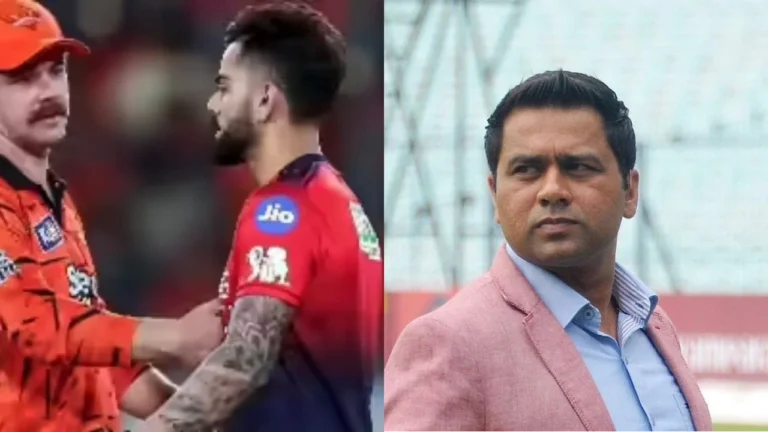
R Ashwin Analyzes Ruturaj Gaikwad’s Captaincy Burden in IPL 2026
Contents
The Transition Era: R Ashwin on the Pressures of Leading CSK
The transition from the legendary MS Dhoni to a new leadership era was always going to be a monumental task for the Chennai Super Kings (CSK). As the IPL 2026 season progresses, the spotlight has fallen squarely on Ruturaj Gaikwad. Former CSK stalwart and Indian spin wizard Ravichandran Ashwin has now voiced his concerns regarding Gaikwad’s current form, attributing a dip in his batting prowess to the immense burden of captaincy.
Speaking on JioHotstar, Ashwin provided a professional and measured perspective on the challenges facing the incumbent skipper. According to Ashwin, the expectations inherent in the CSK brand are unique, and managing those while trying to anchor the innings is a significant psychological hurdle.
The Captaincy Conundrum: Batting Form Under Scrutiny
Ashwin opined that taking on the captaincy has visibly affected Gaikwad’s ability to express himself with the bat. “The added responsibility of captaincy seems to have affected Ruturaj Gaikwad’s batting,” Ashwin noted. “T20 cricket is already demanding, and carrying the burden of leadership alongside expectations from a franchise like CSK can have a significant impact on a player.”
This observation comes at a time when Gaikwad’s strike rate has become a major talking point among analysts. In the high-octane environment of the modern IPL, where par scores are climbing higher every year, Gaikwad’s statistical output has lagged behind. Through 13 matches in IPL 2026, the captain has managed 321 runs at an average of 29.18. While he has registered two half-centuries, the primary concern lies in his strike rate of 120.67—a figure that is increasingly difficult to justify in an era where 180 is often considered a below-par total.
The MA Chidambaram Struggle Against SRH
The cracks in Gaikwad’s current approach were most evident during CSK’s recent encounter against the Sunrisers Hyderabad (SRH) at the MA Chidambaram Stadium. Despite playing on home turf, Gaikwad’s decision to bat first after winning the toss did not yield the desired results. His innings was characterized by a lack of timing and an inability to find the boundaries.
Gaikwad spent over an hour at the crease but managed a mere 15 runs from 21 deliveries, failing to hit a single boundary during his stay. While teammates like Kartik Sharma and Dewald Brevis provided aggressive starts, the SRH pace battery—led by Pat Cummins, Eshan Malinga, and Sakib Hussain—effectively stifled the CSK middle order. Chennai was eventually restricted to 181, a target that proved insufficient against a clinical SRH chase.
A Franchise in Flux: Patience for the Post-Dhoni Era
Ashwin emphasized that the struggles seen this season are part of a broader narrative of change. He urged fans and stakeholders to remain patient as the team navigates the complexities of the post-Dhoni era. “Chennai Super Kings are clearly in a transition phase,” Ashwin explained. “It’s important for everyone involved to recognize that rebuilding takes time. The standards and expectations associated with CSK are incredibly high because of their legacy, but this group needs space and patience as they evolve.”
The lack of momentum in the batting department has placed immense pressure on the bowling unit. In the match against SRH, despite early inroads and a sedate start from Abhishek Sharma, the partnership of 75 between Ishan Kishan and Heinrich Klaasen turned the tide. Klaasen was particularly ruthless against the spinners, while Ishan Kishan’s Player-of-the-Match-winning 70 ensured SRH crossed the finish line with ease.
The Road Ahead: Playoff Permutations
As it stands, Chennai Super Kings find themselves in a precarious position. Their hopes of qualifying for the IPL 2026 playoffs are hanging by a thread. To stand any chance, they must secure a convincing victory in their final league match against the Gujarat Titans in Ahmedabad on May 21.
However, a win alone might not be enough. CSK’s destiny is no longer entirely in their own hands. They require a specific sequence of results from the remaining seven league matches to qualify without the Net Run Rate (NRR) becoming a factor. In the more likely scenario where NRR decides the final spots, CSK’s current standing is lackluster, as they no longer possess the superior tie-breaking advantage over other teams vying for the 14-point mark. For Gaikwad, the final league game represents not just a chance for team redemption, but a personal opportunity to prove that he can balance the weight of the captaincy with the aggressive batting CSK desperately needs.