BCB Legal Crisis: Tamim Iqbal-Led Committee Faces High Court Challenge
A New Chapter of Uncertainty for Bangladesh Cricket
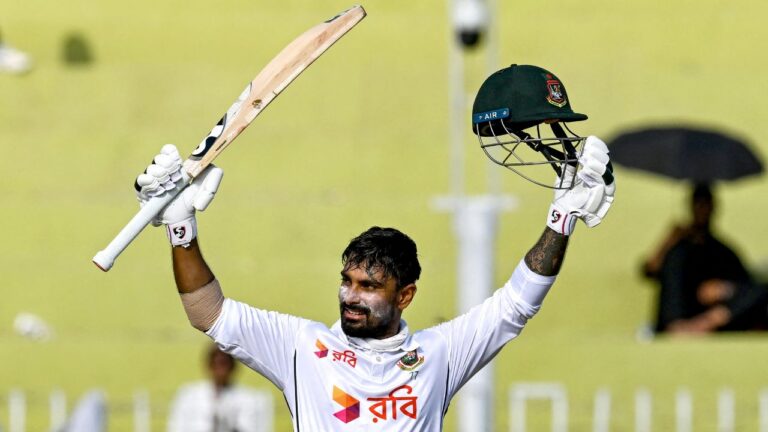
While the Bangladesh national team has been garnering headlines for their spirited and successful performances on the field against Pakistan, the administrative side of the sport is facing a storm of legal challenges. The Bangladesh Cricket Board (BCB) is currently navigating a complex situation as a group of former cricketers and board officials have taken their grievances to the highest level, filing a writ petition in the High Court Division of the Supreme Court of Bangladesh.
This legal move seeks to challenge the dissolution of the previously elected executive committee and the subsequent appointment of an ad hoc committee. At the center of this controversy is the current ad hoc leadership, spearheaded by former national team captain Tamim Iqbal, who assumed the role following the departure of former BCB President Aminul Islam Bulbul.
The Challenge Against the Status Quo
The list of petitioners is comprised of notable figures within the Bangladeshi cricketing fraternity, including Aminul Islam Bulbul, Faruque Ahmed, Asif Akbar, and Khaled Mashud Pilot. Their collective legal action is aimed at scrutinizing the legality of removing an elected governing body and replacing it with an appointed ad hoc group. The petitioners argue that such measures bypass established democratic processes within the nation’s cricket administration, potentially setting a concerning precedent for future governance.
Tamim Iqbal, who took the helm at the age of 37, became the youngest individual to lead the BCB. His appointment was designed to provide stability during a period of transition; however, the legal challenge now threatens to undermine the authority of the committee he leads.
Background: Why Was Aminul Islam Bulbul Removed?
To understand the current crisis, one must look back at the events of early April. The downfall of the previous administration was marked by a series of resignations, with six board members stepping down within a single week. These resignations followed an earlier departure in January, when director Ishtiaque Sadeque resigned, citing personal reasons.
Furthermore, the previous board was already under the microscope of an investigation committee from the National Sports Council (NSC). The investigation was largely driven by allegations surrounding the integrity of the previous year’s board elections. Additionally, reports suggest that the management of matters concerning the T20 World Cup 2026, involving interactions with the BCCI and the ICC, contributed to the pressure that ultimately led to the dissolution of the elected committee.
The Road Ahead in the High Court
The legal process is moving forward rapidly. The case has been assigned to a bench featuring Justice Fatema Najib and Justice AFM Saiful Karim. Significantly, the court has already granted permission for the petition to proceed, signaling that the judiciary intends to review the grievances presented by the former officials.
Legal experts monitoring the situation suggest that the BCB’s troubles may be far from over. With a formal hearing expected to take place within the week, the board could face increased scrutiny. This uncertainty casts a long shadow over the current ad hoc committee, which includes other prominent figures such as Minhajul Abedin, Athar Ali Khan, Rashna Imam, Mirza Yeasir Abbas, Syed Ibrahim Ahmed, Israfil Khasru, Tanjil Chowdhury, Salman Ispahani, Rafiqul Islam, and Fahim Sinha.
Impact on Bangladesh Cricket
The administrative turmoil comes at a paradoxical time for the sport in Bangladesh. While the players have shown resilience and skill in their recent series against Pakistan—a highlight for fans and stakeholders alike—the instability at the board level threatens to distract from these on-field achievements. The primary concern for stakeholders remains the preservation of institutional integrity and the necessity of ensuring that the BCB remains a stable, democratically accountable body. As the High Court prepares to weigh the arguments, the future of the BCB’s current leadership and the path toward the next board elections remains the subject of intense national focus.
As the legal battle unfolds, the cricketing community in Bangladesh waits to see how the judiciary will rule on the mandate of the ad hoc committee, and whether this will lead to a rapid return to an elected administrative structure or further legal wrangling that could disrupt the board’s operations for the foreseeable future.