ICC Proposes Three Major Rule Changes to Revolutionize International Cricket
Contents
A New Era for Cricket Governance
The International Cricket Council (ICC) is preparing for a series of high-stakes meetings in Ahmedabad on May 30th and 31st, coinciding with the IPL 2026 finals. On the agenda are three potentially game-changing proposals reported by Cricbuzz, which seek to address long-standing issues regarding match continuity, pace of play, and professional presentation.
The Pink Ball Transition: Solving the Bad Light Dilemma
Perhaps the most significant proposal involves a change in equipment during Test matches. Currently, the sport is often marred by early stoppages due to poor visibility, even when floodlights are available. To combat this, the ICC is exploring a rule that would allow the match ball to be swapped from the traditional red ball to a pink ball if both teams reach a consensus during a weather or lighting interruption.
This change could prove revolutionary for Test cricket. By utilizing the pink ball under floodlights, matches that were previously halted can reach a fair and exciting conclusion. Furthermore, the pink ball is known for offering distinct challenges to batters, as seam bowlers often find increased assistance under stadium lights. This change would not only preserve the integrity of the contest by minimizing the impact of environmental factors but also inject a higher level of excitement into the final sessions of play.
Optimizing T20I Pace and Coaching Interaction
Recognizing the need for cricket to maintain a rapid and engaging pace, the ICC is also looking at shortening T20I intervals. The proposal aims to reduce the break between innings from 20 minutes to 15 minutes. This follows a string of previous ICC initiatives designed to ensure over-rates remain consistent and that the game remains high-energy for global audiences. A five-minute reduction may seem minor, but it reflects a broader commitment to keeping the momentum of the game high.
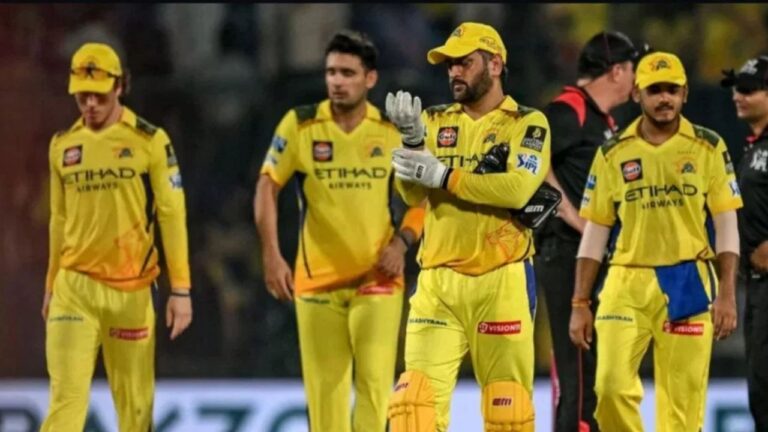
In addition to faster breaks, the governing body is considering a more formal role for coaching staff. The proposal would allow coaches onto the field during scheduled water breaks to discuss strategies with their players. This practice, already a staple in successful franchise leagues like the IPL, has proven to be a fan favorite and a tactical game-changer. By bringing this dynamic to the international stage, the ICC hopes to add an extra layer of strategic depth that viewers can appreciate in real-time.
Upholding Professionalism and Integrity
Beyond the technical rules of play, the ICC is focusing on the professional presentation of the game. A specific proposal aims to modernize the role of the 12th man. Currently, players entering the field to deliver drinks or equipment often wear bibs over their jerseys. The new mandate would require these individuals to be kitted in proper attire, ensuring that every person on the field of play maintains the professional standard associated with international cricket.
Furthermore, the ICC is considering equipping umpires with Hawk-Eye technology during live matches. This is intended to provide officials with an additional tool to monitor bowlers with suspect actions, ensuring that the game remains fair and that the highest standards of bowling legality are maintained throughout a contest.
What These Changes Mean for the Future
These proposals reflect a governing body that is willing to adapt to the changing needs of both the players and the fans. As cricket continues to evolve in a crowded sporting landscape, the emphasis on ensuring matches reach their natural conclusion and maintaining high levels of professional presentation is paramount. While these changes are currently under consideration, their adoption would signal a bold step toward a faster, more resilient, and more engaging future for the sport of cricket. All eyes will be on Ahmedabad this May as the ICC deliberates on these potentially landmark adjustments.