India’s T20 Captaincy Future: BCCI Set to Rethink Suryakumar Yadav’s Role
India’s T20 Captaincy Future: BCCI Rethinks Suryakumar Yadav‘s Role Amidst Form Concerns
India’s cricket calendar for 2026 is rapidly filling up, with significant international commitments on the horizon. Following the culmination of a thrilling IPL 2026 season, the ‘Men in Blue’ are set to host Afghanistan for a one-off Test and a three-match One Day International (ODI) series in June. This will be swiftly followed by a two-match T20 International (T20I) series against Ireland later the same month. While the immediate focus remains on these upcoming fixtures, a more profound debate has begun to take shape behind the scenes: the future of India’s T20I captaincy. Current skipper Suryakumar Yadav, despite his leadership accolades, finds himself under increasing scrutiny due to a concerning dip in his individual batting form, sparking intense discussions within the Board of Control for Cricket in India (BCCI).
Suryakumar Yadav’s Lean Patch Continues
While Suryakumar Yadav undeniably led India to a historic T20 World Cup title earlier this year, a remarkable achievement that cemented his place in Indian cricket lore, his individual performances with the bat have presented a stark contrast. The flamboyant right-hander, known for his audacious stroke play and 360-degree hitting ability, has struggled to consistently produce runs since taking over as India’s full-time T20I captain. This lean patch has become a significant point of concern for the team management and selectors alike.
Examining his statistics, the numbers paint a clear picture. In 2025, a year where he primarily led the T20I side, Suryakumar managed a modest 218 runs across 19 T20I innings. This translates to a challenging average of just 13.62, accompanied by a strike-rate of 123.16. While his captaincy during the T20 World Cup 2026 was lauded, his bat spoke less loudly, contributing 242 runs in 9 innings at an average of 30.25 and a strike rate of 136.72 – respectable but perhaps not at the consistently high level expected from a premier T20 batsman and captain.
The struggles have regrettably extended into the ongoing IPL 2026 season. Representing Mumbai Indians, Suryakumar Yadav has scored only 195 runs in 11 matches, maintaining an average of 17 and a strike rate of 144. With just one half-century to his name in the tournament, his form in the shortest format at the domestic level mirrors his international challenges. Despite these recent dips, it is crucial to note his overall T20I statistics for 2026 so far, where he has amassed 484 runs in 14 matches at a more impressive average of 44.00 and a strike-rate of 161.33, demonstrating flashes of his destructive capabilities. However, the consistency, particularly in high-pressure matches and recent tournaments, has reportedly become a talking point.
The juxtaposition of his successful captaincy with his inconsistent batting form presents a complex dilemma for the national selectors. A captain’s primary role is to lead from the front, both tactically and through performance, and while Yadav has excelled in the former, the latter has undeniably wavered.
BCCI Considers India’s T20I Captaincy Future
Reports from prominent media outlets, including The Hindu, indicate that the BCCI selection committee is poised to hold informal, yet critical, discussions concerning India’s T20I leadership. These deliberations are expected to occur during an upcoming meeting in Guwahati on May 19. While the official agenda for this gathering is to finalize the squad for the Afghanistan Test series, it is widely anticipated that conversations will naturally extend to the composition of the squads and the leadership for the subsequent T20I tours to Ireland and England.
Initially, there was a strong consensus among several influential members of the BCCI and the team management to retain the existing leadership group following India’s triumphant campaign in the T20 World Cup. The stability and success achieved under Suryakumar Yadav’s captaincy were compelling arguments for continuity. However, the sustained dip in Suryakumar’s batting form has reportedly compelled key decision-makers to revisit and potentially revise their long-term strategic plans. With the 2028 T20 World Cup firmly in focus, the emphasis is now on building a robust team that can sustain excellence over the next four years.
The management and think tank are now tasked with the crucial responsibility of forging a strong, cohesive unit, potentially under fresh leadership, to ensure India is optimally prepared for future global tournaments. This strategic shift underscores the BCCI’s commitment to maintaining a competitive edge in T20 international cricket and ensuring that the captaincy role is occupied by a player who can consistently deliver both with the bat and through astute leadership.
Upcoming International Assignments
Before any potential leadership changes are implemented, India has a packed schedule. The home series against Afghanistan commences with the one-off Test in Mullanpur from June 6 to 10. The ODI series will then unfold across three distinct venues: Dharamshala, Lucknow, and Chennai, providing ample opportunities for players to stake their claim. Following these home assignments, India’s attention will shift to the European tour, with two T20Is against Ireland scheduled for Belfast on June 26 and June 28. These matches, though seemingly less significant than a World Cup, will be vital in testing new combinations and potentially new leadership perspectives, depending on the BCCI’s decisions.
Who Could Replace Suryakumar Yadav as India’s T20I Captain?
Should the selectors indeed decide to move on from Suryakumar Yadav in the T20I captaincy role, several prominent names have emerged as strong contenders. Each brings a unique set of skills and leadership experiences to the table, making the decision a complex one for the selection committee.
- Hardik Pandya: Perhaps the most obvious and strongest candidate, Hardik Pandya possesses significant prior captaincy experience with the Indian T20I side. He has successfully led India in several bilateral series and has also demonstrated strong leadership acumen in the IPL, famously guiding Gujarat Titans to a title victory in their debut season. His all-round capabilities and aggressive approach make him a natural fit for the demands of T20 captaincy.
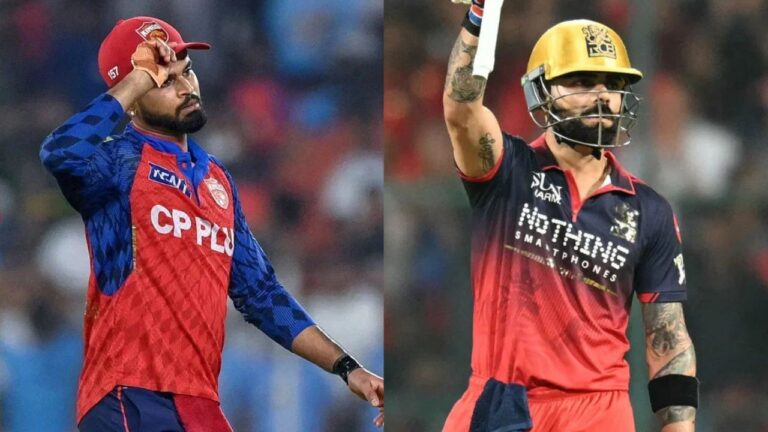
- Shreyas Iyer: Shreyas Iyer has garnered considerable praise for his leadership style, particularly during his tenure as captain for Punjab Kings in the IPL. His tactical intelligence, ability to nurture young talent, and calm demeanor under pressure have impressed many observers. As a consistent middle-order batsman, his presence in the squad is often assured, making him a viable option for captaincy.
- Sanju Samson: The dynamic wicketkeeper-batsman, Sanju Samson, has also been consistently in the reckoning for leadership roles. His captaincy for Rajasthan Royals in the IPL has showcased his ability to inspire his team and make decisive calls. Samson’s attacking batting style and growing maturity as a player position him as an attractive candidate for the T20I captaincy.
- Ishan Kishan: While perhaps a slightly less experienced option in terms of consistent captaincy at the highest level, Ishan Kishan’s aggressive batting and energy on the field could make him a dark horse. His youth and fearless approach align well with the modern T20 ethos, and his potential to grow into a leadership role could be a long-term consideration for the BCCI.
The choice of the next T20I captain will undoubtedly be a pivotal one, shaping India’s approach to the shortest format of the game for the foreseeable future. It will require a delicate balance of current form, leadership potential, and a clear vision for the 2028 T20 World Cup cycle.
Conclusion
The ongoing discussions within the BCCI regarding India’s T20I captaincy highlight a critical juncture for the team. While Suryakumar Yadav’s T20 World Cup triumph remains a significant milestone, the need for consistent individual performance from the captain has become paramount. As India prepares for a challenging international schedule, the decisions made in the coming weeks will set the tone for the team’s trajectory towards the next T20 World Cup. The selection committee faces the unenviable task of balancing past successes with future aspirations, ensuring that India’s T20I leadership is both effective and inspirational.