IPL Teams and Their BBL Equivalents: A Comprehensive Strategic Comparison
Contents
- 1 The Synergy of Global T20 Leagues: IPL Meets BBL
- 2 Mumbai Indians and Perth Scorchers: The Gold Standard
- 3 Chennai Super Kings and Sydney Sixers: Consistent Excellence
- 4 Kolkata Knight Riders and Brisbane Heat: The Heavy Hitters
- 5 Royal Challengers Bengaluru and Melbourne Stars: The Entertainment Giants
- 6 Sunrisers Hyderabad and Adelaide Strikers: The Tactical Underdogs
- 7 Rajasthan Royals and Hobart Hurricanes: The Talent Factories
- 8 Punjab Kings and Melbourne Renegades: The Search for Stability
- 9 Delhi Capitals and Sydney Thunder: The Rebuilding Projects
The Synergy of Global T20 Leagues: IPL Meets BBL
In a move that signals a new era for global cricket, reports suggest that the Big Bash League (BBL) is planning to kick off its upcoming season away from Australian soil, specifically in the cricket-hungry city of Chennai. This strategic maneuver is designed to capture the massive Indian viewership that has sustained the Indian Premier League (IPL) for nearly two decades. Coupled with Cricket Australia’s increasing openness toward the privatization of the league, it seems inevitable that IPL franchises—who have already invested heavily in the SA20, CPL, and MLC—will soon cast their eyes toward the BBL.
As the prospect of Indian investment in Australian cricket grows, it is fascinating to examine how the identities of BBL teams mirror those of the IPL. Based on their competitive legacies, squad philosophies, and historical performance, here is the definitive guide to the IPL equivalents of the Big Bash franchises.
Mumbai Indians and Perth Scorchers: The Gold Standard
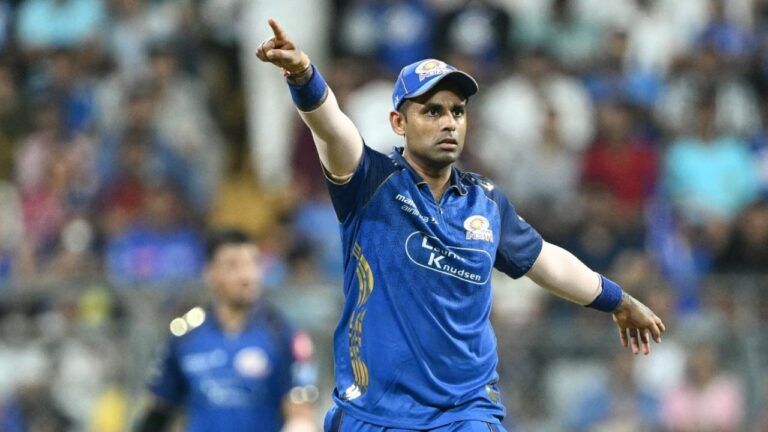
The most straightforward comparison in franchise cricket exists between the Mumbai Indians (MI) and the Perth Scorchers. Both organizations represent the pinnacle of success in their respective leagues. The Scorchers are the most decorated team in BBL history, just as MI has long been the benchmark for excellence in the IPL.
The similarities go beyond just the trophy cabinet. Both sides have turned their home grounds—the Wankhede Stadium and Optus Stadium—into impregnable fortresses. Statistically, MI has triumphed in five of their six final appearances, while the Scorchers boast an incredible six titles from nine finals. Furthermore, both teams serve as nurseries for national leadership; just as Rohit Sharma led India to global heights, Mitchell Marsh has ascended to lead the Australian white-ball setup. Their rosters are consistently packed with homegrown talent that forms the core of their respective national teams.
Chennai Super Kings and Sydney Sixers: Consistent Excellence
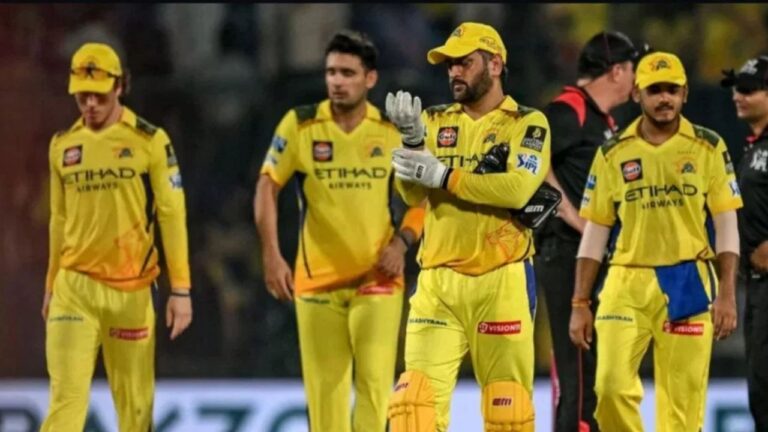
If MI and the Scorchers are the ‘winners,’ then the Chennai Super Kings (CSK) and Sydney Sixers are the ‘constants.’ CSK holds the joint record for the most IPL titles with five, while the Sixers have secured three BBL championships. However, the true metric of their similarity is their uncanny ability to reach the knockout stages.
CSK has appeared in a staggering 10 finals, and the Sixers have been in 8. Both have experienced the heartbreak of losing five finals each, yet they remain the most feared opponents due to their tactical stability and massive fanbases. The presence of iconic figures like MS Dhoni, Suresh Raina, and Ravindra Jadeja for CSK finds a parallel in the Sixers’ reliance on stalwarts like Steve Smith, Mitchell Starc, and Nathan Lyon. These are teams built on loyalty and a veteran core that knows how to win under pressure.
Kolkata Knight Riders and Brisbane Heat: The Heavy Hitters
The Kolkata Knight Riders (KKR) and Brisbane Heat occupy the third spot in the hierarchy of success, with three and two titles respectively. Both franchises are defined by a ‘heavy metal’ approach to T20 cricket, often relying on explosive opening partnerships to dismantle opposition attacks.
The connection is even more tangible through shared personnel. Brendon McCullum and Chris Lynn have both served as high-impact openers for both franchises, establishing a culture of fearless batting. Both teams have endured decade-long trophy droughts before reclaiming glory, and both tend to rely on reliable national stars who perform consistently without necessarily seeking the media spotlight. Their identities are rooted in being dangerous outsiders who can blow any team away on their day.
Royal Challengers Bengaluru and Melbourne Stars: The Entertainment Giants
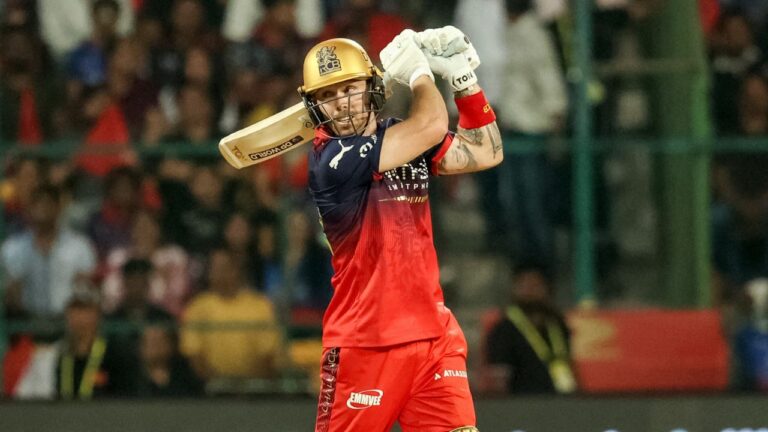
The comparison between Royal Challengers Bengaluru (RCB) and the Melbourne Stars is perhaps the most discussed in cricketing circles. While RCB recently broke their trophy drought in the women’s circuit and continues to hunt for the men’s title, the Stars are still searching for their maiden BBL trophy. Despite this, both teams are the undisputed kings of entertainment.
Both franchises consistently field star-studded top orders that feature the world’s best T20 talent. The Virat Kohli-Glenn Maxwell connection is the ultimate bridge between the two, while legends like AB de Villiers and Marcus Stoinis or spinners like Yuzvendra Chahal and Adam Zampa further cement the parallel. Historically, both have suffered from a lack of squad depth and occasionally fragile bowling lineups, leading to several ‘so close yet so far’ finishes in high-stakes finals.
Sunrisers Hyderabad and Adelaide Strikers: The Tactical Underdogs
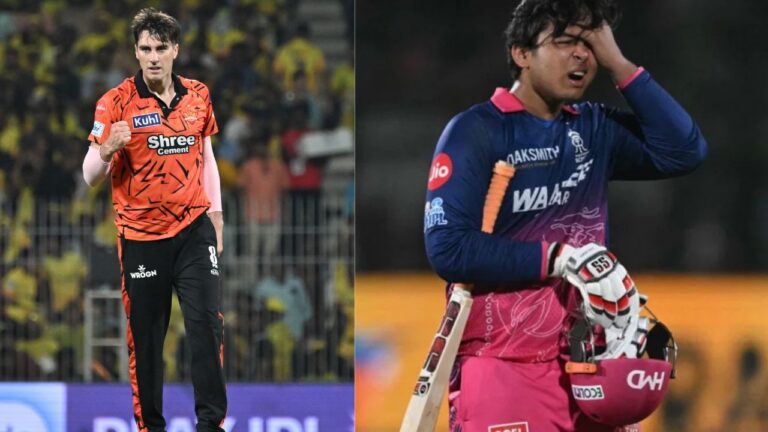
Sunrisers Hyderabad (SRH) and the Adelaide Strikers share a tactical DNA built on bowling supremacy. Both teams have won one title out of three final appearances and have historically been famous for defending low totals. They are the ‘workmanlike’ teams of their leagues, earning respect through grit rather than glitz.
Personnel parallels are striking here as well. The veteran presence of Bhuvneshwar Kumar for SRH mirrors the role Peter Siddle played for the Strikers for years. Common links like Rashid Khan and Travis Head have been instrumental for both sides. In the current era, the leadership and pace of Pat Cummins at SRH can be compared to the impact of Jamie Overton for the Strikers, emphasizing a reliance on high-quality fast bowling to dictate terms.
Rajasthan Royals and Hobart Hurricanes: The Talent Factories
The Rajasthan Royals (RR) and Hobart Hurricanes are often viewed as the underdogs who punch above their weight. While RR famously won the inaugural IPL, they, like the Hurricanes, have often been ‘there or thereabouts’ in the knockout stages without consistently adding to the trophy cabinet.
Both teams pride themselves on unearthing young talent and maintaining a cohesive, low-key identity. They boast stars who are vital for their national teams but often fly under the radar, such as Sanju Samson and George Bailey. With shared players like James Faulkner and Jofra Archer, and current power-hitters like Jos Buttler and Shimron Hetmyer matching the profile of Matthew Wade and Tim David, these two franchises are the spiritual twins of their respective leagues.
Punjab Kings and Melbourne Renegades: The Search for Stability
What unites the Punjab Kings (PBKS) and the Melbourne Renegades is a history of upheaval. Both franchises have struggled with identity crises, often characterized by frequent changes in captaincy and coaching staff. While the Renegades do have one BBL trophy to their name, their overall trajectory mirrors PBKS in its inconsistency.
Both sides often show immense promise at the start of a season, only to fall away due to short-sighted decision-making or a failure to build a long-term core. They are teams that possess individual brilliance but have historically struggled to translate that into a cohesive winning culture over multiple seasons.
Delhi Capitals and Sydney Thunder: The Rebuilding Projects
Finally, the Delhi Capitals (DC) and Sydney Thunder share a history of being the league’s basement-dwellers before finding periods of resurgence. DC (formerly Delhi Daredevils) famously struggled in the early 2010s, much like the Thunder’s infamous 19-match winless streak between 2011 and 2014.
Both franchises have featured some of the biggest names in the sport—Rishabh Pant and Axar Patel for DC, and David Warner and Alex Hales for the Thunder—yet they have often struggled to align their on-paper strength with on-field results. They remain the ‘dark horses’ of their leagues, capable of brilliance but still searching for the ultimate consistency that defines the likes of MI or the Scorchers.