Sanju Samson vs Ruturaj Gaikwad: Is a CSK Captaincy Change Imminent?
Contents
The Shadow of Leadership: The CSK Dilemma
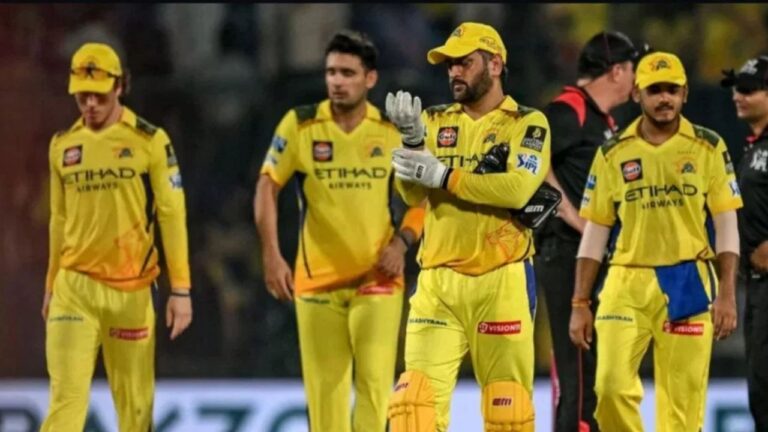
The Chennai Super Kings (CSK) have long been defined by the steady hand of leadership, but the conclusion of the 2026 Indian Premier League (IPL) season has cast a long shadow over the franchise. Following a home defeat to the Sunrisers Hyderabad that effectively extinguished their playoff aspirations, the tenure of Ruturaj Gaikwad has come under intense public scrutiny. As the CSK faithful look toward 2027, the conversation has shifted from tactical tweaks to fundamental changes, with names like Sanju Samson being floated as potential successors.

Ruturaj Gaikwad: A Tenure Defined by Mediocrity
Stepping into the role vacated by a legend like MS Dhoni is a task that would test the resolve of any cricketer. Since taking the reins in 2024, Gaikwad’s stint has been statistically underwhelming. Across 32 matches as captain, he has secured 14 wins against 18 losses—a win/loss ratio of 0.777. Perhaps more concerning than the win column is the lack of postseason qualification during his two-year run, with 2026 proving particularly difficult.
Gaikwad’s individual performance has also mirrored the team’s struggles. While he has accumulated 1,026 runs as captain, his 2026 output was notably sluggish. Averaging 29.18 with a strike rate of 120.68, he has fallen behind the aggressive tempo set by modern T20 openers. Furthermore, his performance reveals a drastic home-away divide: he averages 59.11 at the friendly confines of Chepauk, but that figure plummets to 26.11 when playing on the road.
Sanju Samson: Consistency as a Calling Card
In contrast, Sanju Samson’s tenure with the Rajasthan Royals provides a study in relative stability. Having led the franchise since 2021, Samson has overseen a period of consistent competitiveness. With a win/loss ratio of 1.031, he has managed to guide his team to the knockout stages on two occasions. Unlike Gaikwad, Samson has actually seen his batting output improve under the weight of captaincy, averaging 36.08 in the IPL while leading.
Key Statistical Takeaways
- Win/Loss Ratio: Samson (1.031) holds a clear advantage over Gaikwad (0.777).
- Away Performance: Samson shows much higher consistency across different venues, averaging 37.95 away from home.
- Adaptability: Samson excels as a second-innings leader, demonstrating a better grasp of chase dynamics compared to Gaikwad’s tendency to rely on setting totals.
Tactical Nuance and Future Outlook
The core of the argument against Gaikwad lies in his tactical rigidity. Gaikwad’s success is heavily tied to batting first, where he averages 47.34. When asked to chase, that figure drops significantly. Samson, by comparison, proves to be a more versatile strategist, maintaining a more balanced approach regardless of the toss result. While the Rajasthan Royals may score at a slightly lower rate than CSK, their efficiency in winning games remains superior.
For the Chennai Super Kings, the decision to change captains is never taken lightly. The franchise values continuity and culture above almost all else. However, as the 2027 season approaches, the statistical evidence presents a compelling case for a transition. If CSK intends to return to the upper echelons of the IPL table, they must decide whether Gaikwad’s growth as a leader is worth the ongoing investment, or if the proven maturity of a player like Samson offers the immediate upgrade the team requires. As it stands, the numbers favor a change, leaving the management with a difficult, but necessary, deliberation during the off-season.