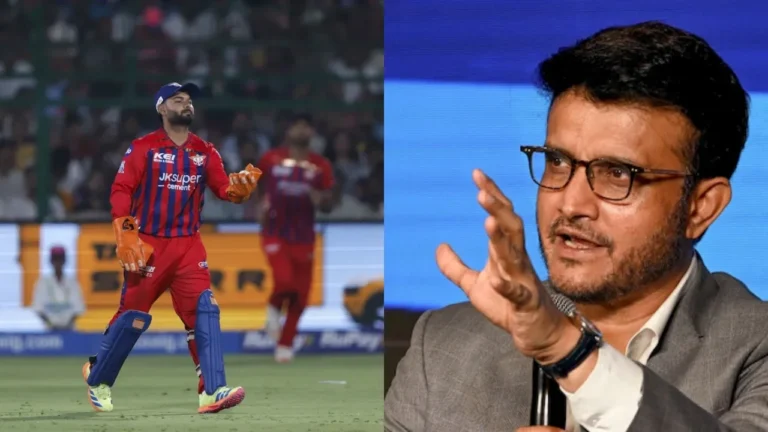
“Tremendous injustice”: Sanjay Manjrekar fumes over Auqib Nabi’s snub despite st – Auqib Nabi Snub: Sanjay Manjrekar Blasts ‘Ridiculous Injustice’ After Ranji Trophy Dominance
Former India cricketer and renowned commentator Sanjay Manjrekar has voiced profound disappointment and strong criticism regarding the omission of Jammu & Kashmir pacer Auqib Nabi from the Indian squad slated to play a one-off Test against Afghanistan. Manjrekar unequivocally termed the decision ‘ridiculous’ and a ‘tremendous injustice,’ questioning the very essence of the Ranji Trophy if such stellar performances are overlooked.
Contents
- 1 Auqib Nabi’s Unprecedented Ranji Trophy Dominance
- 2 The India vs. Afghanistan Test Squad: Context and Controversies
- 3 Sanjay Manjrekar’s Scathing Critique: “Ridiculous” and “Tremendous Disrespect”
- 4 The IPL Factor: A Shadow Over First-Class Brilliance?
- 5 Conclusion: A Call for Consistency and Fairness
Auqib Nabi’s Unprecedented Ranji Trophy Dominance
Auqib Nabi’s recent form in the Ranji Trophy has been nothing short of exceptional, making his exclusion from the national setup particularly baffling. In the latest edition of India’s premier first-class competition, Nabi emerged as the highest wicket-taker across the entire tournament. His crucial contributions were instrumental in Jammu & Kashmir’s historic maiden title victory, marking a significant milestone for the state’s cricket.
Digging deeper into his remarkable statistics, Nabi’s consistency over the past two Ranji Trophy seasons paints an even clearer picture of his dominance. Across these two editions, he has accumulated an astonishing tally of over 100 wickets. Despite this sustained period of top-tier performance, demonstrating both skill and endurance in the long format of the game, Nabi has yet to earn a call-up, not even to the India A squads, which are typically seen as a stepping stone to the senior national team.
Breaking down his numbers, in the Ranji Trophy season that culminated in J&K’s triumph, Nabi claimed an incredible 60 wickets in just 10 matches. This phenomenal haul came at an outstanding bowling average of 12.56, a testament to his effectiveness and wicket-taking ability. His consistent penetration was further highlighted by his remarkable feat of securing 7 five-wicket hauls during that single season. Furthermore, Nabi was one of only two bowlers in the entire tournament to register multiple 10-wicket match hauls, showcasing his capacity to single-handedly dismantle opposition batting lineups.
Prior to this, in the preceding Ranji Trophy edition where J&K reached the quarterfinals, Nabi was the second-highest wicket-taker. He bagged 44 wickets in 8 matches at an equally impressive average of 13.93. When these two seasons are combined, Auqib Nabi Dar’s statistics are truly staggering: 104 wickets in 18 matches at an incredible bowling average of 13.14, complemented by a total of 13 five-wicket hauls. Such numbers from a fast bowler in first-class cricket traditionally demand attention from national selectors.
The India vs. Afghanistan Test Squad: Context and Controversies
The Board of Control for Cricket in India (BCCI) recently unveiled the squad for the upcoming one-off Test against Afghanistan, scheduled to commence on June 6 at the Maharaja Yadavindra Singh International Cricket Stadium in Mullanpur, New Chandigarh. This match holds significance as it will be only the second-ever Men’s International fixture at the venue, which previously hosted a T20I between India and South Africa in December 2025 and two Women’s ODIs between India and Australia earlier that year.
While Nabi’s shocking exclusion quickly became a talking point, the squad announcement also featured other notable changes. A significant alteration involved the captaincy structure, with wicketkeeper-batter Rishabh Pant being relieved of his vice-captaincy duties, which were subsequently handed to KL Rahul. This move indicates a potential reshuffling in leadership roles within the Test setup.
Key senior players, Ravindra Jadeja and Mohammed Shami, were conspicuously absent from the squad. Their omission was attributed to workload management and injury concerns, a common practice in modern cricket to preserve vital players, especially in the demanding Test format. However, Shami’s absence, in particular, further fueled Manjrekar’s frustration regarding Nabi’s non-selection, as it opened up a slot for a pace bowler.
On a more positive note, the squad saw the maiden call-ups for several promising talents. Left-arm spinners Manav Suthar and Harsh Dubey earned their first national team selections, signaling an investment in spin bowling depth. They were joined by pacer Gurnoor Brar, another fresh face hoping to make an impact on the international stage.
Sanjay Manjrekar’s Scathing Critique: “Ridiculous” and “Tremendous Disrespect”
Sanjay Manjrekar did not mince words when expressing his dismay over Auqib Nabi’s non-selection. Speaking on Sportstar’s Insight Edge podcast, Manjrekar described the situation as a ‘tremendous disrespect’—not only to Nabi as an individual but also to the very concept and integrity of the Ranji Trophy itself.
“I used to like the olden days when tremendous injustice was done. People would come out on the streets with placards and protests,” Manjrekar stated, drawing a contrast with contemporary reactions predominantly confined to social media. “Now the outcry is mostly on social media, but this is one non-selection that I just can’t understand.” His sentiment underscores a deeper concern about the perceived devaluation of consistent domestic performances.
Manjrekar found Nabi’s exclusion even more perplexing given the absence of frontline pacers like Mohammed Shami from the squad. He argued, “It’s actually ridiculous. When Mohammed Shami and Mohammed Siraj are not playing, whether because they are being rested or for long-term planning, then you might as well not have the Ranji Trophy if performances like these are going to be ignored.” This strong statement reflects a fundamental disagreement with the selection philosophy, suggesting that if the Ranji Trophy’s top performers are not rewarded, the tournament’s significance as a feeder system for national cricket diminishes considerably.
The IPL Factor: A Shadow Over First-Class Brilliance?
One prevalent speculation regarding Nabi’s continued absence from national reckoning points towards his performance in the Indian Premier League (IPL) 2026. It has been suggested that his relatively poor showing in the high-profile T20 tournament might have influenced the selectors’ decision. In the IPL season, Nabi failed to take any wickets in his five matches for the Delhi Capitals, conceding runs at an economy rate exceeding 11 runs per over.
This speculation brings to the forefront a recurring debate in Indian cricket: the balance between IPL form and first-class performance for Test selections. While the IPL is a massive platform, its T20 format is vastly different from the demands of Test cricket. Many purists and former cricketers advocate that Test selections should primarily be based on red-ball form and suitability for the longer format, rather than short-form statistics.
Manjrekar’s comments indirectly support this view, emphasizing the Ranji Trophy’s role as the ultimate proving ground for Test cricket talent. If a player’s exceptional red-ball statistics are overshadowed by a less successful stint in a different format, it raises questions about the consistency and criteria applied in national selections, potentially disheartening domestic performers who dedicate themselves to the longer format.
Conclusion: A Call for Consistency and Fairness
Sanjay Manjrekar’s impassioned critique of Auqib Nabi’s snub resonates with many who believe in the sanctity of domestic cricket performances. Nabi’s extraordinary wicket-taking ability in the Ranji Trophy, particularly over two seasons, presents a compelling case for his inclusion at least in India A squads, if not the senior team, especially when key pacers are rested. The controversy highlights the ongoing challenge for selectors to balance various factors, including player workload, strategic planning, and, critically, rewarding consistent excellence in the country’s most prestigious first-class tournament. For the health and future of Indian cricket, recognizing and empowering domestic stars like Auqib Nabi remains paramount.