‘Her rough phase is gone’ – Harmanpreet pleased with Ghosh’s return to form
Contents
A Resurgent Force in the Indian Middle Order
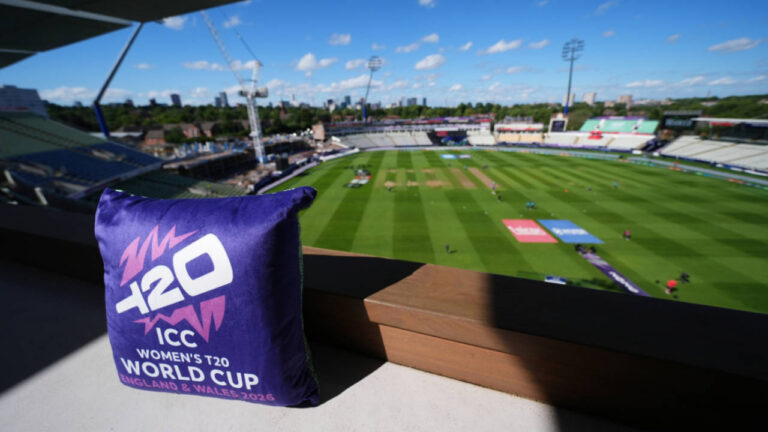
As the anticipation builds for the T20 World Cup, India finds itself buoyed by a significant positive development. ‘Her rough phase is gone’ – Harmanpreet pleased with Ghosh’s return to form, and the timing could not be more perfect for the team. Richa Ghosh, often hailed as a game-changer, struggled to find her rhythm during the lead-up to the tournament, managing only 18 runs across three innings against England. However, a stunning 68 off just 36 balls in the final warm-up match has signaled a dramatic shift in her fortunes.
Harmanpreet Kaur, speaking on the eve of India’s tournament opener against Pakistan, expressed her delight at seeing the young talent regain her composure. “We were waiting for Richa to get that confidence back,” the captain noted. “She’s a key player, a game-changer for us, and we are all very happy that now she’s back in form and confident again.”
Learning Through Adversity
While the recent series losses against England and South Africa were testing, the Indian team management views these setbacks as vital learning experiences. Harmanpreet believes the squad is peaking at the right time, having acclimatized to foreign conditions through consistent play. She emphasized that the lack of success provided a mirror to their flaws, forcing the team to evolve and adapt.
- Adaptability: The ability to move away from rigid game plans.
- Strategic Depth: Identifying areas for improvement during high-pressure scenarios.
- Mental Toughness: Using losses as a crucible for team growth.
“I personally feel that when things are always going well, sometimes you don’t know which areas you need to improve in as a team, but when you lose, you learn a lot,” Harmanpreet added. The focus now shifts toward executing these lessons on the field, with the squad feeling fully fit and mentally prepared for the challenges ahead.
The Rivalry: India vs. Pakistan
The upcoming clash between India and Pakistan is always surrounded by intense media scrutiny and fan pressure. However, both camps are striving to maintain a balanced perspective. For India, it is about enjoying the occasion. “I won’t say there’s no pressure – there is pressure,” Harmanpreet admitted. “But at the same time, we always say that the more we enjoy this game, the better it is for us.”
Conversely, Pakistan enters the tournament with a new philosophy under captain Fatima Sana. Despite a minor injury scare during a net session, Sana remains optimistic about her participation. Under the guidance of coach Wahab Riaz, the Pakistan side has been focusing heavily on an aggressive, attacking batting style. By simulating high-pace and bounce scenarios in the nets, they hope to put opponents under immediate pressure.
Looking Ahead
As the tournament begins, the narrative for India is one of calculated optimism. Richa Ghosh’s return to form provides a much-needed boost to a batting lineup that has lacked stability. With the team now having spent nearly two weeks in the region, the players are comfortable with the conditions and the environment. Both sides understand that while the history of the rivalry is storied, the outcome will likely hinge on which team stays calmer under pressure and executes their tactical plans with more precision.
Whether it is India’s quest to solidify their middle order or Pakistan’s pursuit of a more aggressive, dominant T20 brand, the opening stages of the tournament promise to be a fascinating display of tactical evolution. With the stars seemingly aligning for the Indian team, fans will be watching closely to see if Ghosh can carry her warm-up form into the main event, proving that her period of struggle was indeed just a brief hurdle in an otherwise promising career.