Sourav Ganguly rules Vaibhav Sooryavanshi out of Test cricket – Sourav Ganguly Advises Caution on Vaibhav Sooryavanshi’s Test Cricket Future
Contents
The Meteoric Rise of Vaibhav Sooryavanshi
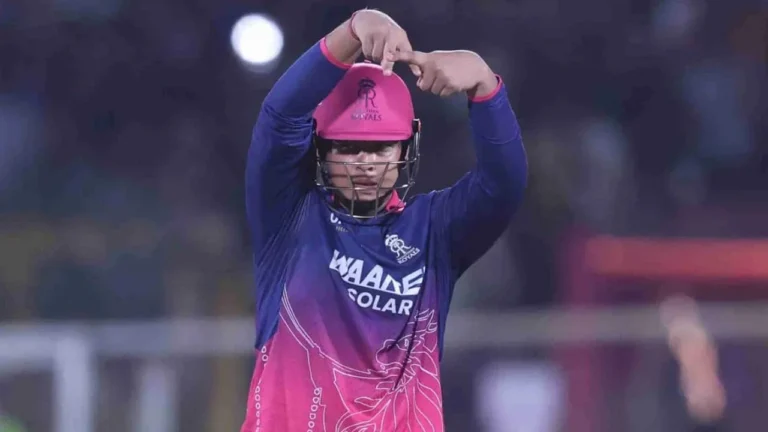
In the rapidly evolving landscape of modern cricket, few names have generated as much buzz as 15-year-old sensation Vaibhav Sooryavanshi. The Rajasthan Royals batter has taken the Indian Premier League (IPL) by storm, showcasing a level of maturity and fearless strokeplay that defies his tender age. With his explosive performances over the last two seasons, many experts are already calling for his immediate inclusion across all three formats of the game for the India National Cricket Team.
Sourav Ganguly’s Balanced Perspective
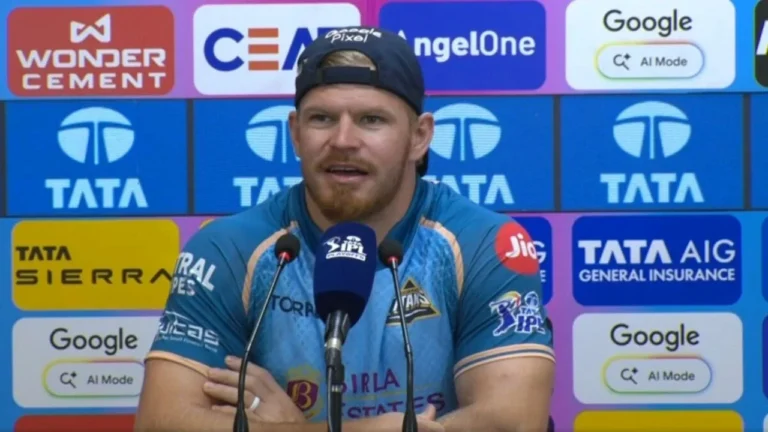
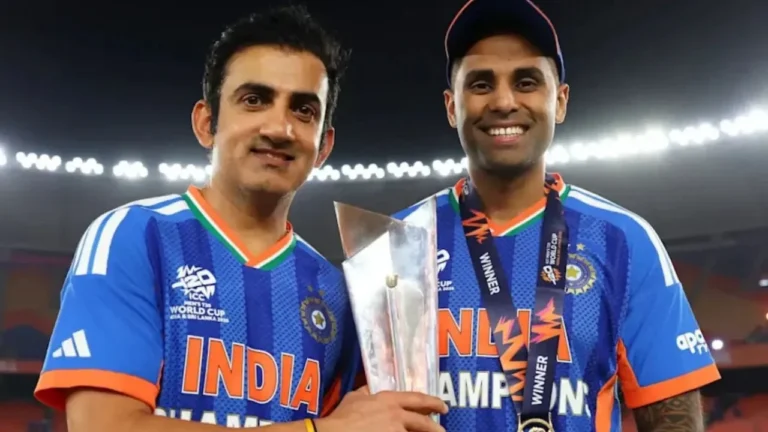
However, former India captain and ex-BCCI president Sourav Ganguly has offered a more tempered view on the youngster’s international trajectory. In an exclusive interview, Ganguly acknowledged Sooryavanshi’s immense potential but drew a clear line between the requirements of T20 cricket and the rigorous demands of the Test arena.
“In T20s, he should be included right away, but not in Test cricket. He has to score more runs in first-class cricket to get a place,” Ganguly stated. The veteran leader emphasized that while the T20 format rewards raw talent and explosive ability, Test cricket requires a different foundation—one built on patience and long-format consistency.
Why Test Cricket Requires Patience
The numbers highlight exactly why Ganguly’s caution is well-founded. While Sooryavanshi’s T20 stats are nothing short of phenomenal—having amassed 835 runs in 21 matches across two IPL seasons with a strike rate of 223.86—his experience in red-ball cricket remains limited. To date, he has played eight first-class matches, scoring 207 runs at an average of 17.25. While he has shown flashes of brilliance with a high score of 93, the consistency required at the highest level of Test cricket is a different challenge entirely.
Ganguly, however, was quick to reiterate that these developmental steps do not diminish the youngster’s talent. “But at the moment he’s just too talented. To see a 15-year-old boy bat like this against everyone in the world is phenomenal. He is India’s future,” he added.
A New Era of Cricket
The conversation also touched upon the broader evolution of the sport. Reflecting on his own playing days alongside legends like Sachin Tendulkar and Rahul Dravid, Ganguly admitted that the modern game is almost unrecognizable compared to the era in which he grew up.
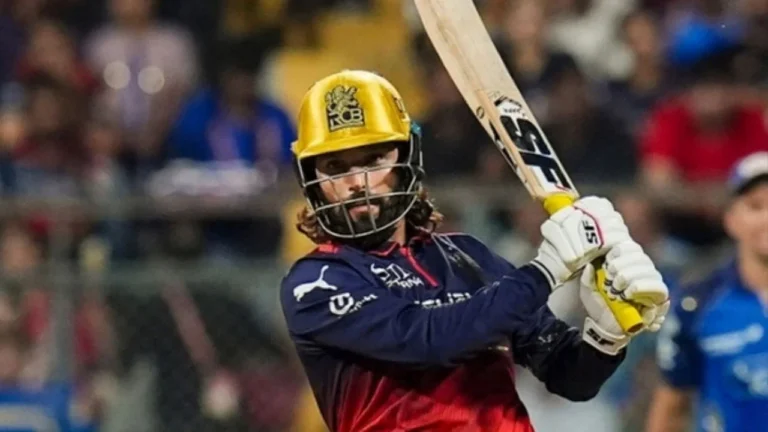
“We learned our cricket in a different era. And why just the three of us? (Ricky) Ponting, (Kumar) Sangakkara, Joe Root, Alastair Cook… you name it,” Ganguly remarked. He noted that the shift towards T20-centric development is producing a new breed of cricketers who are comfortable swinging through the line from ball one. “It’s a different generation. Things keep changing in life, nothing is static. So players change too and that is the way it’s going to happen. T20 cricket is here to stay and it will continue to produce talent which will just swing through the line and put the ball in the stands.”
The Path Ahead
The debate surrounding Vaibhav Sooryavanshi highlights the classic dilemma of modern sports management: balancing the excitement of raw, youthful talent with the necessity of structured development. While the T20 format provides a stage for the teenager to shine against the world’s best bowlers immediately, the transition to Test cricket is widely viewed as the ultimate test of temperament and technique.
For now, the consensus among experts aligns with Ganguly’s view: enjoy the spectacle of Sooryavanshi in the T20 arena, but allow him the time and space to sharpen his skills in the domestic red-ball circuit. If his recent IPL performances are any indication, the future of Indian cricket looks incredibly bright, provided the transition is managed with the wisdom that only time and experience can provide.